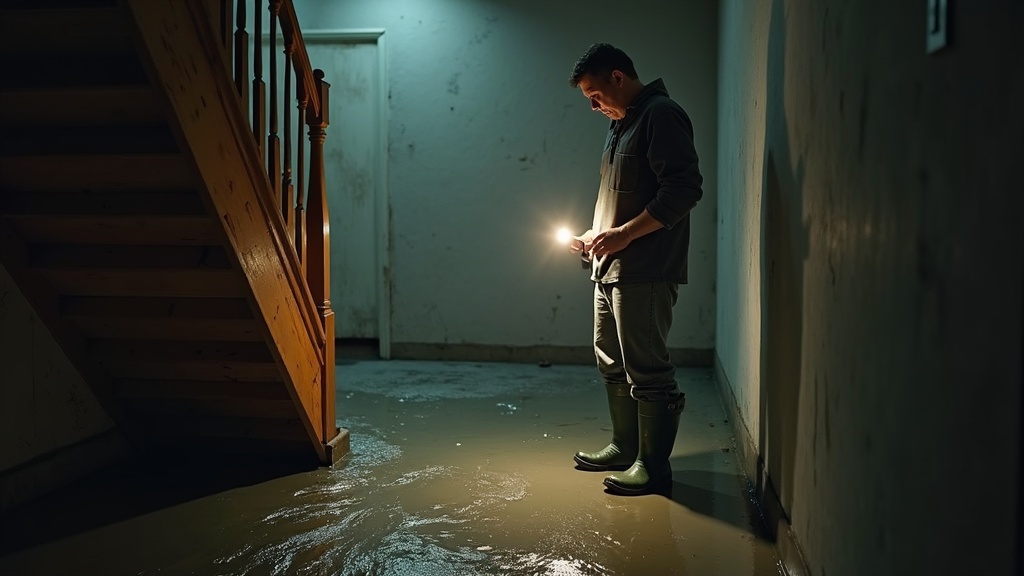
Basement flooding is one of the most stressful home emergencies Long Island homeowners face. Here's exactly what to do — step by step — to minimize damage and start the recovery process.
Step-by-Step: First 24 Hours
⚡ Check for Electrical Hazards FIRST
Do NOT enter a flooded basement if water is near electrical outlets, the main panel, or any electrical equipment. If safe to do so from outside the basement, shut off power at the main breaker. When in doubt, call PSEG/LIPA.
📸 Document Everything
Before removing any water or items, photograph and video the flooding. This documentation is essential for insurance claims. Capture water level, affected items, and the entry point if visible.
📞 Call LI Basement Pro
Call (631) 625-8649. We'll assess the situation over the phone and schedule the fastest possible response. Mon–Sat, 7am–5pm.
☎️ Call Your Insurance Company
Report the claim immediately. Note the cause (storm, plumbing failure, etc.) — this determines your coverage. Get a claim number.
🚪 Open Windows if Safe
Once the immediate electrical hazard is confirmed clear, open basement windows and doors to begin air circulation. Don't run HVAC until the system has been inspected.
📦 Remove Valuables if Safe
Move undamaged items from lower shelves and floors to higher ground if you can do so without entering deep water. Don't risk injury for material items.
Prevent Future Flooding with Exterior Waterproofing
If your home is in a high water table area or FEMA flood zone, an exterior waterproofing membrane is the most permanent solution to prevent repeat basement flooding. We specialize in exterior waterproofing membrane installation for North Shore communities like Nissequogue, where the water table sits just 2 to 6 feet below grade and glacial till soils hold water against foundations.
After the Water Is Removed: Preventing Mold
The 48 hours after flooding are critical for mold prevention. Mold spores begin to colonize wet surfaces within 24–48 hours in warm conditions. Our industrial drying process uses commercial-grade dehumidifiers and air movers to reduce moisture below mold-growth thresholds within 24–48 hours of deployment.
Flooded Right Now? We're Here.
Once the water is out, call us. We waterproof basements across Nassau and Suffolk County so the next storm is not a repeat.
📞 (631) 625-8649