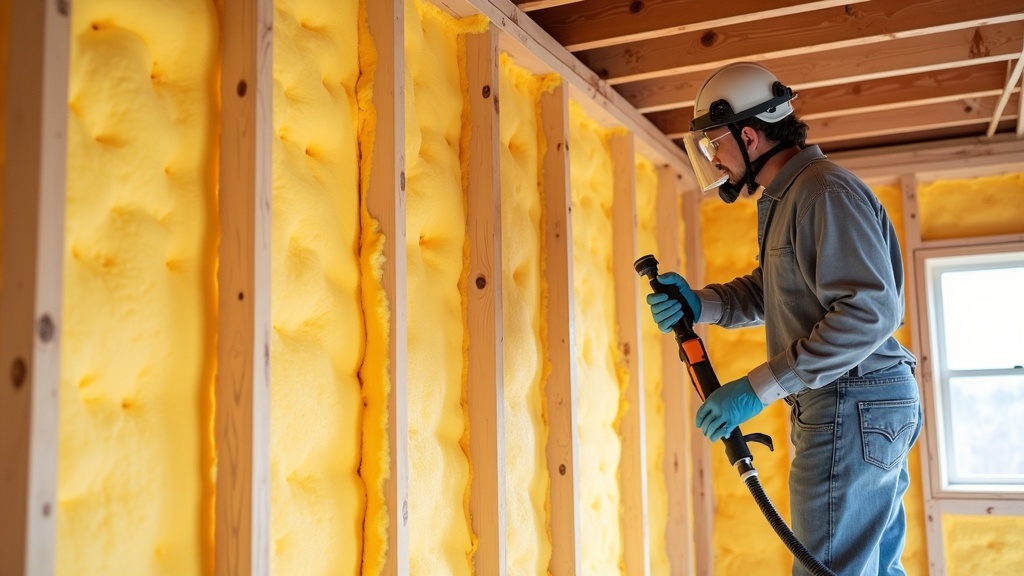
Proper insulation makes the difference between a basement that feels comfortable year-round and one that's cold in winter, humid in summer, and prone to moisture problems. Here's how we spec insulation for Long Island's specific climate and housing stock.
Why Long Island Basements Need Special Consideration
Long Island's climate sits in IECC Climate Zone 4A — mixed-humid. Winters get cold (January averages 30°F), summers get hot and humid (July averages 76°F with high humidity). Basements need insulation that handles both: keeping heat in during winter and keeping the space from becoming a humidity problem in summer.
The other Long Island-specific factor is moisture. Whether from groundwater pressure, high exterior humidity, or simple condensation, Long Island basements see more moisture exposure than basements in drier climates. This rules out any insulation that can grow mold when wet.
Insulation Options for Long Island Basements
Rigid Foam (XPS/EPS) — Our Recommendation
R-value: R-10 (2 in.) to R-20 (4 in.) · Cost: $1.50–$3.00/sq ft installed
Pros: Moisture-resistant, no mold risk, excellent thermal performance, serves as vapor retarder. Best for Long Island's moisture environment.
Cons: More expensive than batt, requires careful sealing at edges.
Fiberglass Batt in Stud Cavities
R-value: R-11 to R-19 · Cost: $0.80–$1.50/sq ft installed
Pros: Lower cost, familiar material, good supplemental insulation in stud walls over rigid foam.
Cons: Paper facing can grow mold if wet; should not contact foundation wall directly.
Spray Foam (2-part)
R-value: R-6.5 per inch (closed-cell) · Cost: $3.00–$5.00/sq ft installed
Pros: Air-seals and insulates in one step. Excellent moisture resistance (closed-cell).
Cons: Expensive. Best applied by pros. We use it selectively for rim joists and specific problem areas.
Our Standard Long Island Basement Insulation Spec
For a standard Long Island basement finishing project, we use: 2-inch XPS rigid foam (R-10) adhered directly to the foundation wall, followed by 2x4 stud wall with R-11 or R-15 fiberglass batt in the cavity. The rigid foam provides the vapor control; the batt provides additional thermal performance. Total R-value: R-21 to R-25.
For the rim joist (the area where the floor system meets the foundation wall), we use 2-part spray foam to air-seal and insulate simultaneously. Rim joists are one of the biggest sources of heat loss in Long Island basements and are often overlooked. This guide to insulating rim joists and foundation walls explains why the rim joist is usually the first spot to seal before a basement is finished.
Questions About Basement Insulation?
We're happy to discuss the right insulation approach for your specific basement. Free estimates available Mon–Sat.
📞 (631) 625-8649